Owning a rental property sounds simple. Then a burst pipe wakes you at 2am. Or a tenant stops paying rent. Suddenly the “passive income” dream feels like a second job.
That’s where professional property management services come in. Whether you own one rental or a growing portfolio, the right property manager can take the stress off your plate. They can also help you get more value from your investment. In this guide, we’ll cover what these services include. We’ll also look at how residential management differs from consulting support, and what to look for in an Auckland provider.
What Are Property Management Services?
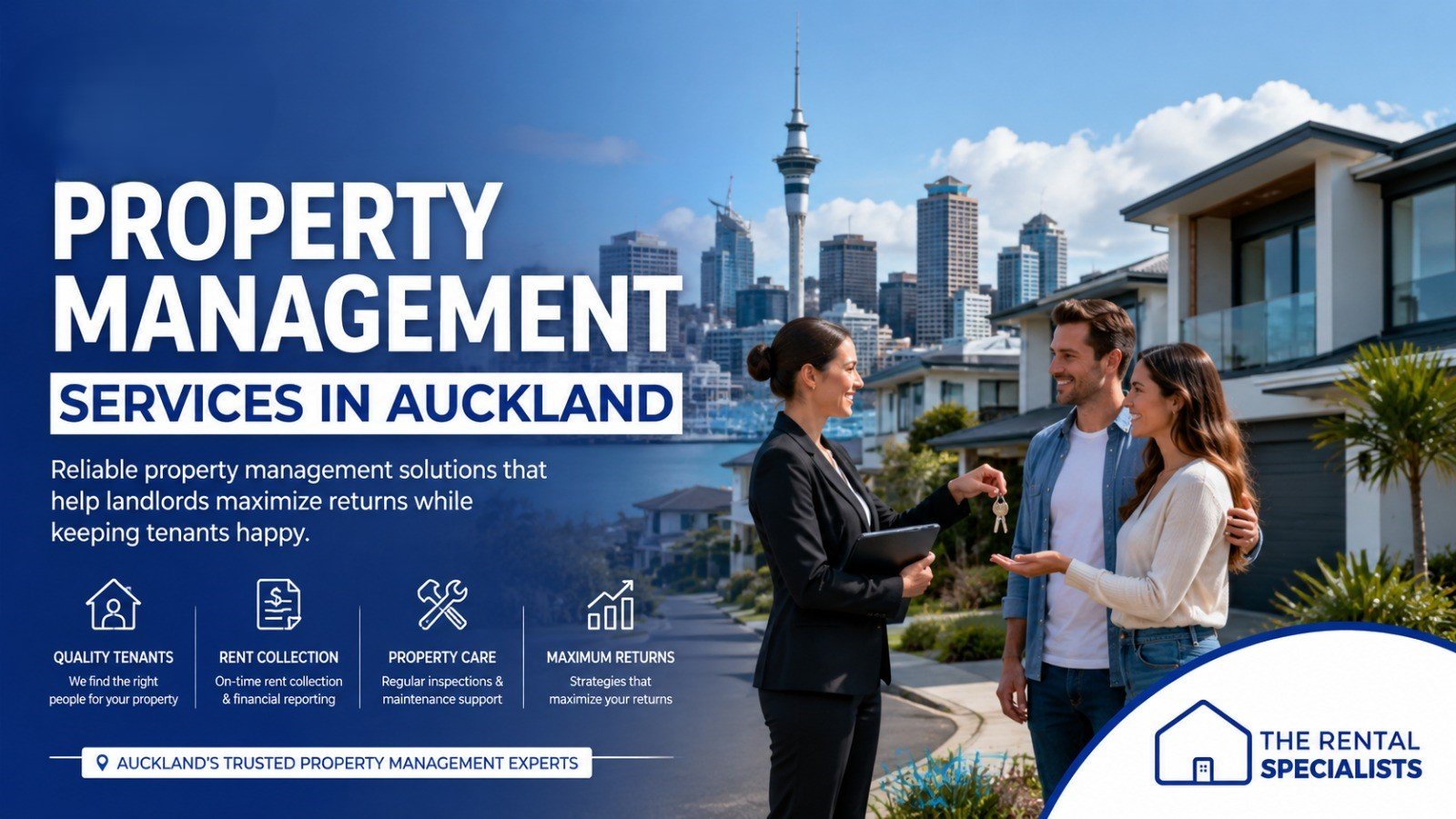
Property management services cover the day-to-day running of a rental property. Instead of handling everything yourself, a property manager takes over key tasks. This includes finding tenants, collecting rent, organising repairs, and keeping the property compliant with New Zealand tenancy law.
Good rental services property management does more than sit between landlord and tenant. It protects your asset. It keeps vacancy periods short. It makes ownership as hands-off as possible. For landlords juggling full-time jobs, families, or multiple properties, this support often makes owning a rental sustainable in the first place.
Core Services Breakdown
Not all property managers offer the same level of service. A comprehensive residential property management package should include the following.
Tenant Sourcing and Screening
Finding the right tenant matters most. The process usually involves marketing the property, running viewings, checking references, and verifying income. Managers also screen for red flags in rental history. Thorough screening reduces the risk of late payments, property damage, and difficult evictions later on.
Rent Collection and Financial Reporting
A dependable property manager sets up a clear rent collection system. They chase up arrears promptly and send landlords regular statements. This gives owners visibility over their income without manually tracking every payment.
Routine Inspections
Regular inspections catch small maintenance issues early, before they turn into expensive repairs. They also confirm tenants are looking after the property. Most managers schedule these a few times a year and send photo reports afterwards.
Maintenance Coordination
From a leaking tap to a full appliance replacement, property managers usually have a network of trusted tradespeople. This means faster turnaround times. It often means better pricing too, compared to a landlord sourcing tradespeople alone.
Compliance With Tenancy Legislation
New Zealand’s tenancy laws change often. Healthy homes standards, insulation requirements, and notice periods all shift over time. A knowledgeable property manager tracks these changes, so landlords don’t get caught out.
Lease Administration
This covers drafting and renewing tenancy agreements, managing bond lodgement, and handling tenant turnover paperwork. It’s tedious work. Getting it wrong can be costly, which is why many landlords hand it to professionals.
For a deeper look at how these pieces fit together, check this guide to rental property management for landlords.
Residential vs Consulting Services
Not every landlord needs the same type of support. It helps to understand the difference between full residential management and consulting-based services.
Residential property management is the full-service option. The property manager handles everything, from tenant placement to ongoing maintenance and rent collection. This suits landlords who want a completely hands-off experience.
Property management consulting services suit a different kind of landlord. These landlords want to stay involved but need expert guidance on specific issues. Maybe they need help setting rental pricing. Maybe they’re navigating a tenancy dispute or want a second opinion on compliance. Consulting works well for experienced landlords who don’t need full management but still want expert input when it counts.
Choosing between the two comes down to your available time, how many properties you own, and how comfortable you feel dealing directly with tenants.
Why Auckland Landlords Choose Local Property Management
Auckland’s rental market has its own quirks. Rental demand shifts by suburb. Tenants expect a fast, professional response. Property management services in Auckland that understand these local dynamics tend to get better results than generic providers.
Local expertise means knowing which suburbs are in high demand. It means knowing what rent a property can realistically achieve. It also means having trusted tradespeople who show up on time, and existing relationships with the Tenancy Tribunal process if things escalate.
Landlords who’ve switched to a local specialist often report the same thing: fewer surprises and better communication. When a property manager genuinely engages with the Auckland market, landlords worry less. They also benefit more from their investment.
What Does It Cost?
Fees for property management typically depend on the service level and the number of properties involved. Costs vary between providers, so it pays to understand exactly what’s included before you commit. For a full breakdown of typical Auckland costs, see this property management cost guide. Budget-conscious landlords can also explore affordable property management options that keep costs down without cutting corners.
How to Choose the Best Property Management Provider
With so many options out there, use a simple checklist when comparing providers:
- Local experience — Do they actively manage properties in your suburb or region?
- Transparent fees — Do they explain all costs upfront, with no hidden extras?
- Communication style — Will you get regular updates, or only hear from them when something goes wrong?
- Compliance knowledge — Can they explain how they keep your property compliant with current legislation?
- Maintenance network — Do they have reliable, vetted tradespeople on call?
- Tenant screening — How thorough is their vetting before approving a tenant?
- Reviews and references — What do other landlords say about their experience?
Landlords with smaller portfolios may find this guide on property management for small landlords useful. Investors focused on returns might prefer this resource on property management for investors.
Frequently Asked Questions
Do I really need a property manager if I only own one rental?
Not necessarily. But many single-property landlords still use one for peace of mind, especially if they lack time to handle tenant issues or don’t feel confident navigating tenancy law.
What’s the difference between property management and consulting services?
With management, someone else runs the property day-to-day. With consulting, you stay in control but get expert advice when you need it.
How do property managers screen tenants?
Most run credit checks, contact previous landlords, and verify employment and income. They also check for any history of tenancy tribunal disputes.
Can I switch property managers if I’m not happy?
Yes. Most management agreements include a notice period, so you can transition to a new provider without major disruption.
Is professional property management worth the cost?
For many landlords, yes. The time saved and reduced risk of costly mistakes often outweigh the fees, especially compared to the cost of a bad tenant or a compliance breach.
Ready to Make Rental Ownership Easier?
Whether you’re a first-time landlord or managing a growing portfolio, the right property management support makes a real difference. Ready to explore how professional, locally focused management could work for your property? Get in touch with The Rental Specialists for a free rental appraisal and see what’s possible for your investment.