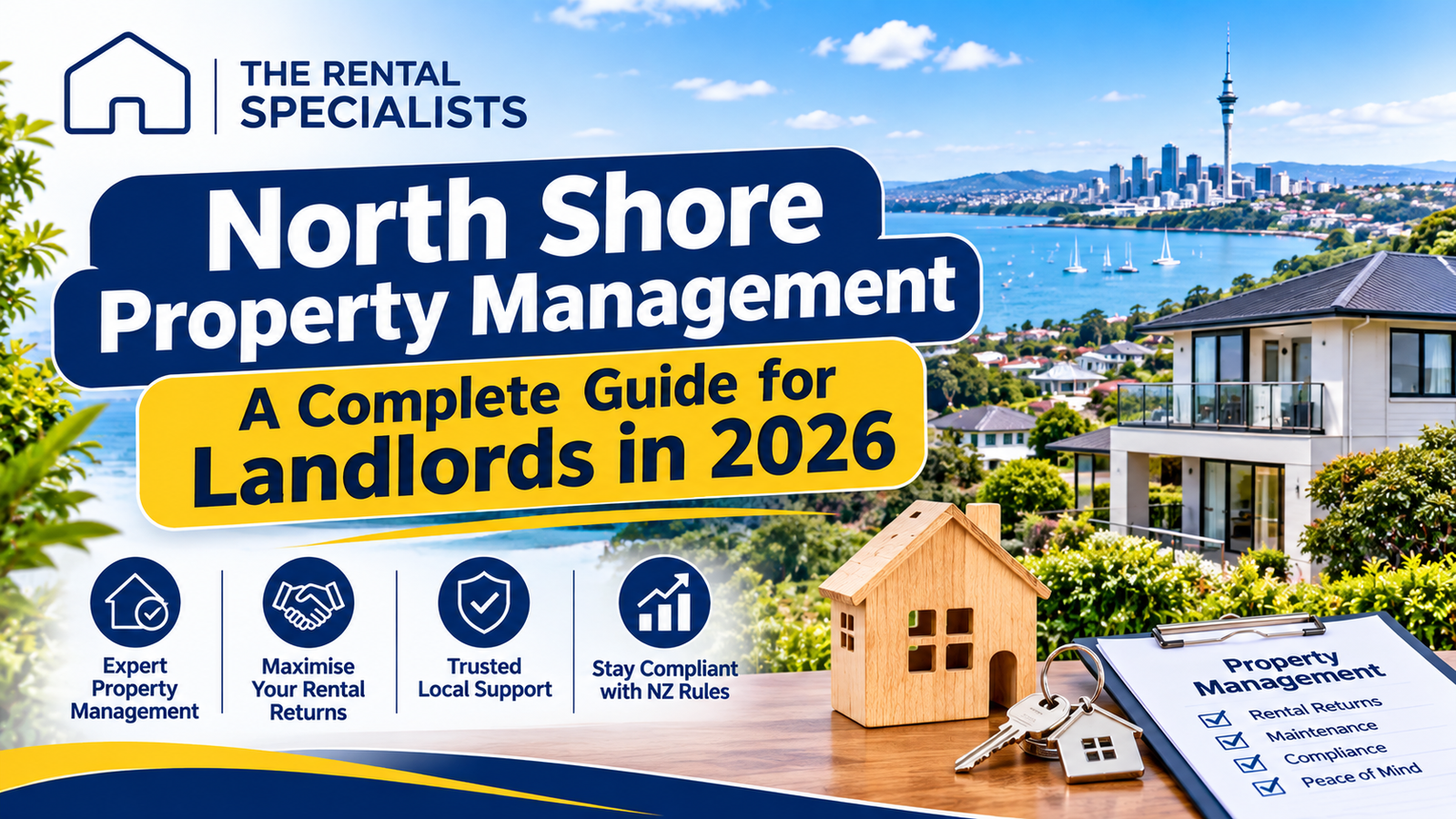
Owning a rental property on Auckland’s North Shore can provide an opportunity to earn rental income while benefiting from an established residential market. However, successful property ownership involves more than finding tenants and collecting rent. Landlords must understand local rental conditions, maintain their properties, manage tenancy agreements and meet New Zealand’s rental property requirements.
Choosing the right property management North Shore service can make these responsibilities easier to manage. From Takapuna and Milford to Glenfield and Albany, each suburb has different property types, rental expectations and tenant preferences.
Whether you own a family home, apartment or modern townhouse, understanding the local market can help you make informed decisions. This guide explores North Shore rental trends, suburb insights, landlord responsibilities and what to consider when choosing a property manager.
Understanding the North Shore Rental Market in Auckland
Auckland’s North Shore offers a mix of established residential neighbourhoods, coastal communities and growing commercial areas. Its transport connections, local amenities and range of housing options make it an important part of Auckland’s wider rental market.
For landlords, understanding these local characteristics can help when setting rental prices, preparing a property for tenants and planning long-term maintenance.
What Makes the North Shore Attractive to Rental Property Investors?
The North Shore benefits from convenient connections to Auckland’s central business district and surrounding employment areas. The Auckland Harbour Bridge and Northern Motorway (SH1) provide road access, while the Northern Busway offers public transport connections between the North Shore and central Auckland.
The area also has shopping centres, schools, healthcare facilities, parks and coastal attractions. Takapuna, Milford and Browns Bay are known for their beaches and local amenities, while Albany provides access to retail, education and commercial facilities.
These features can appeal to different tenant groups, including working professionals, families and people looking for convenient access to everyday services.
However, rental demand is not the same across every neighbourhood. Property location, condition, bedroom numbers, parking and access to transport can all influence how attractive a rental property is to prospective tenants.
Rental Demand and Property Trends Across the North Shore
The North Shore has a diverse residential property market. Landlords can find standalone family homes, apartments, townhouses and larger lifestyle properties across different suburbs.
Family households may prioritise bedrooms, outdoor areas, storage and nearby schools. Working professionals may prefer properties with convenient motorway or public transport access. Smaller households may look for apartments or low-maintenance homes close to shopping and employment areas.
Property presentation also plays an important role. A well-maintained home with functional heating, ventilation, modern facilities and suitable parking may attract more interest than a similar property requiring significant work.
Understanding these preferences helps landlords position their rental properties appropriately and make better decisions about improvements.
North Shore Rental Market Insights by Suburb
Rental conditions can vary considerably between North Shore suburbs. Property owners should consider local rental comparisons rather than relying on Auckland-wide averages when assessing potential rental income.
Takapuna, Milford and Devonport – Coastal Rental Locations
Takapuna, Milford and Devonport are well-established coastal suburbs offering a mix of apartments, family homes and higher-value residential properties.
With its range of lifestyle amenities, Takapuna provides access to shopping centres, restaurants, beaches and convenient transport connections. Milford is known for its coastal setting and local shopping facilities, while Devonport offers established homes, village amenities and ferry connections to central Auckland.
These locations may appeal to professionals, couples and families looking for convenient access to lifestyle amenities.
For landlords, property condition, presentation, parking and proximity to local facilities can influence rental expectations. Apartments and larger standalone homes should also be assessed separately because their tenant requirements and maintenance responsibilities can differ.
Glenfield, Birkenhead and Northcote – Established Residential Suburbs
Glenfield, Birkenhead and Northcote feature a range of established homes and well-connected residential neighbourhoods.
With its shopping facilities, schools and transport links, Glenfield is worth considering for families looking for rental accommodation. Birkenhead offers a mix of residential streets, local shopping areas and access to nearby coastal locations. Meanwhile, Northcote provides convenient connections to central Auckland and surrounding employment hubs.
Landlords can consider each suburb’s local amenities, property layout and tenant preferences when setting rental expectations.
Well-presented family homes with practical living spaces, adequate storage and convenient access to amenities can appeal to tenants looking for longer-term accommodation.
Albany, Browns Bay and Unsworth Heights – Growing Residential Areas
Each of these North Shore suburbs offers different rental opportunities and appeals to a range of tenant preferences.
Known for its commercial and educational facilities, Albany features major shopping centres, business areas and Massey University’s Albany campus. In contrast, Browns Bay attracts residents who value coastal living, local shops and community amenities. Unsworth Heights offers established residential neighbourhoods with convenient access to nearby employment areas and transport connections.
For landlords, these local differences are worth considering when preparing a property for rent. Understanding the likely tenant market in each suburb can help inform property presentation, marketing strategies and realistic rental pricing.
ants likely to be interested in each property can help guide marketing, presentation and rental pricing decisions.
Average Weekly Rent Across Selected North Shore Suburbs
Recent rental figures provide a useful starting point when comparing local markets. The following figures are from Barfoot & Thompson’s October 2026 Auckland suburb report and relate to three-bedroom properties.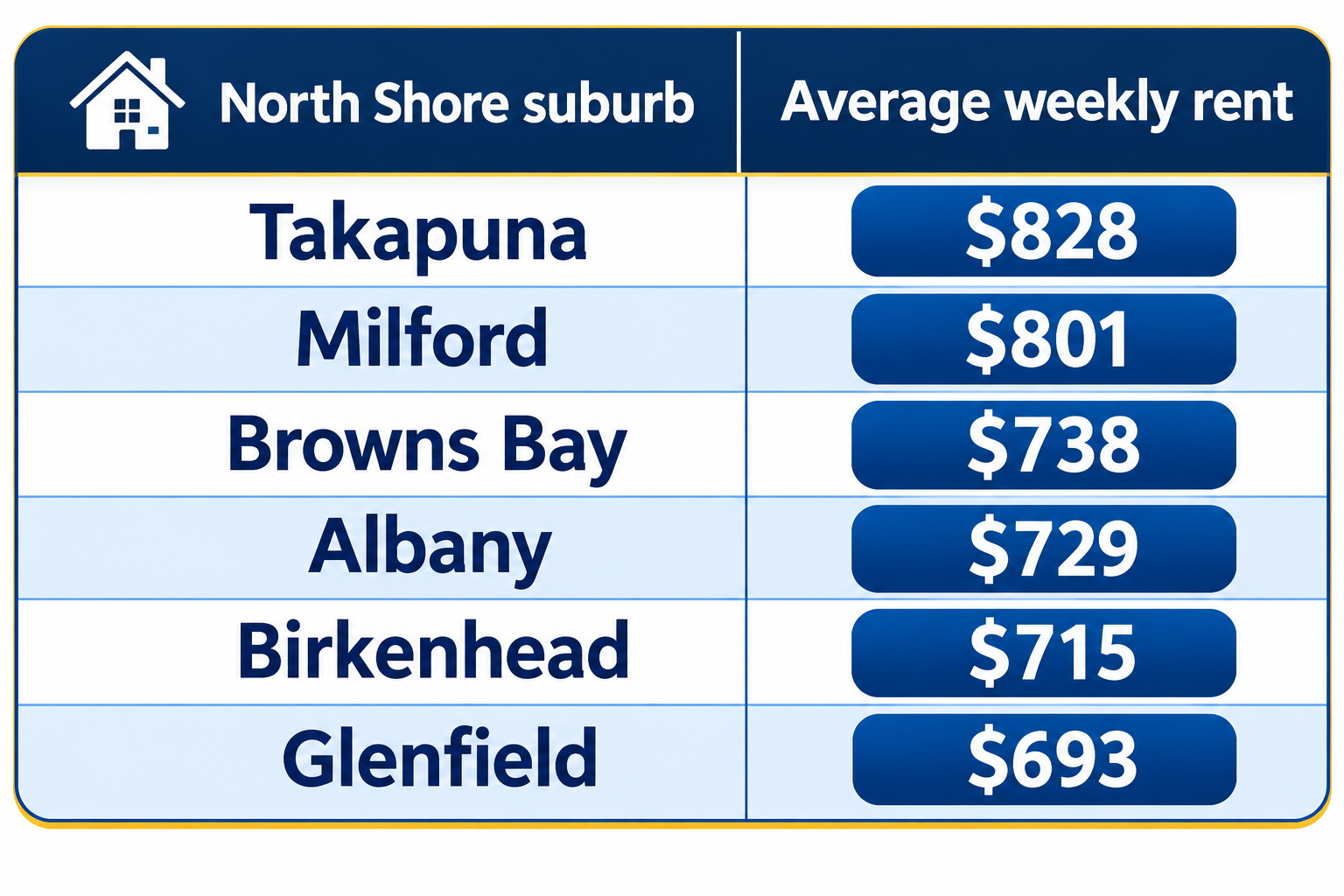 Source: Barfoot & Thompson – October 2026 Auckland Suburb Report. Figures reflect the agency’s three-bedroom rental data as at 31 October 2026.
These figures are market indicators rather than guaranteed rental appraisals. Actual rental prices depend on the property’s condition, exact location, features, presentation and current competition from similar homes.
Landlords should compare properties with similar bedroom numbers and characteristics before deciding on an asking rent.
What North Shore Landlords Should Consider When Managing a Rental Property
Managing a rental property involves ongoing responsibilities. From maintenance planning to tenant selection and legal compliance, landlords need to ensure their properties remain suitable for tenants.
Property Maintenance and Coastal Weather Conditions
North Shore properties can experience different maintenance challenges depending on their location, age and construction materials. Coastal homes may be exposed to salt-laden air, which can contribute to corrosion and wear on metal fittings, exterior fixtures and exposed surfaces.
Older weatherboard and cedar properties may also require regular attention to exterior paintwork, roofing, windows and drainage systems.
Moisture management is another important consideration. Poor ventilation, blocked gutters, leaking roofs and inadequate drainage can contribute to dampness and property damage if problems are not addressed.
Landlords should consider a preventative maintenance approach that includes:
- Checking roofs, gutters and downpipes for damage or blockages.
- Inspecting exterior paintwork and exposed materials.
- Addressing leaks and moisture issues promptly.
- Maintaining ventilation systems and extractor fans.
- Checking drainage and outdoor areas after heavy rainfall.
- Arranging repairs before minor problems become more expensive.
Keeping maintenance records can also help landlords understand recurring issues and plan future property improvements.
Finding Suitable Tenants for Your Rental Property
Choosing suitable tenants is an important part of rental property management. A structured application process can help landlords assess prospective tenants using relevant and lawful information.
A typical tenant screening process may include:
- Reviewing completed rental applications.
- Checking previous rental references.
- Verifying relevant employment or income information.
- Assessing whether the proposed rent is affordable for the applicant.
- Confirming identity and other relevant application details.
- Considering tenancy history where legally and appropriately obtained.
Tenant selection must follow New Zealand privacy and anti-discrimination requirements. Information should only be collected and used for legitimate tenancy purposes.
A consistent screening process helps landlords make informed decisions while treating applicants fairly.
Meeting New Zealand’s Rental Property Compliance Requirements
Landlords must understand their responsibilities under the Residential Tenancies Act 1986 and the Healthy Homes Standards.
All private rental properties were required to comply with the Healthy Homes Standards from 1 July 2025, subject to applicable exemptions.
The standards cover several important areas:
- Heating: Suitable fixed heating must be provided for the main living room.
- Insulation: Required ceiling and underfloor insulation standards must be met.
- Ventilation: Living rooms, kitchens and bathrooms must meet applicable ventilation requirements.
- Moisture ingress and drainage: Properties must have appropriate drainage and measures to address ground moisture where required.
- Draught stopping: Unreasonable gaps and holes that cause noticeable draughts must be addressed.
Landlords must also meet smoke alarm obligations, maintain the property in a reasonable state of repair and provide the required tenancy documentation.
For detailed compliance information, refer to Tenancy Services – Healthy Homes Standards.
Keeping compliance statements, inspection records and maintenance documentation organised can make it easier to manage these responsibilities.
How to Choose the Right North Shore Property Manager
Choosing a suitable property manager is an important decision for landlords who want professional support with their rental investments.
Not all property management services offer the same inclusions, communication standards or reporting processes. Before signing an agreement, compare the services provided and understand how your property will be managed.
Local Rental Appraisals and Accurate Rental Pricing
An accurate rental appraisal helps landlords understand what their property may achieve in the current market.
A professional appraisal should consider:
- Recent rental comparisons in the same suburb.
- Number of bedrooms and bathrooms.
- Property condition and overall presentation.
- Parking, outdoor areas and additional features.
- Access to transport, schools and local amenities.
- Current competition from similar rental properties.
Setting rent too high may reduce tenant interest and increase vacancy periods. On the other hand, setting rent too low may mean missing potential rental income.
North Shore property managers with an understanding of local rental conditions can help landlords assess comparable properties and make informed pricing decisions.
Transparent Property Management Fees and Service Agreements
Property management fees are an important consideration when comparing different service providers. However, the lowest advertised fee does not always represent the best value.
Landlords should understand exactly what is included in the management agreement and whether additional charges apply.
Before choosing a provider, ask about:
- Ongoing property management fees.
- Tenant placement and letting charges.
- Advertising and marketing costs.
- Routine inspection fees.
- Maintenance coordination charges.
- Additional administration costs.
- Contract terms and cancellation requirements.
It is also important to understand how maintenance expenses are approved and whether the property manager receives any additional charges for arranging repairs.
Compare the complete service and total costs rather than focusing only on the advertised percentage.
For more information, read our guide to Property Management Fees.
Regular Property Inspections and Maintenance Reporting
Regular inspections help landlords monitor property conditions and identify maintenance concerns before they become more serious.
A property manager may arrange routine inspections, prepare condition reports and provide photographs to help owners understand the property’s condition.
A useful inspection report should cover:
- General cleanliness and property presentation.
- Visible damage or maintenance concerns.
- Signs of leaks, dampness or ventilation problems.
- Condition of fixtures and fittings.
- Outdoor areas and accessible exterior features.
- Recommended maintenance or follow-up actions.
Quarterly inspections are a common management arrangement, but they must comply with tenancy access rules. Under New Zealand rules, routine inspections generally require at least 48 hours’ notice, cannot be scheduled more than 14 days in advance and must not occur more frequently than once every four weeks.
For more information, see Tenancy Services – Property Inspections.
Clear reporting and timely maintenance communication help landlords stay informed without having to manage every property issue themselves.
How Professional Property Management Can Support Your Rental Investment
Professional property management can help reduce the administrative work involved in owning a rental property. It also provides landlords with an organised process for managing tenants, rental payments and property-related responsibilities.
Rent Collection and Arrears Monitoring
Consistent rent monitoring helps landlords keep track of rental income and identify missed payments.
A property manager can monitor incoming payments, maintain rental records and follow up with tenants when rent becomes overdue.
If arrears occur, the correct tenancy procedures and communication processes must be followed. Prompt attention can help prevent small payment issues from becoming more difficult to resolve.
Landlords should also receive clear updates about payment records and any action being taken to address outstanding rent.
Tenant Communication and Tenancy Administration
Managing tenant communication can take considerable time, particularly when handling maintenance requests, tenancy questions and general property enquiries.
A property manager can act as the main communication point between landlords and tenants.
Typical administrative responsibilities may include:
- Responding to tenant enquiries.
- Coordinating tenancy agreements and documentation.
- Managing maintenance requests.
- Communicating relevant updates to property owners.
- Organising tenancy-related records.
- Coordinating appropriate actions when tenancy issues arise.
Clear communication helps both parties understand their responsibilities and supports a more organised tenancy.
Protecting Your Property Through Proactive Management
Property maintenance should not be limited to responding when something breaks.
Proactive management involves monitoring property conditions, identifying potential problems and arranging suitable maintenance when needed.
Regular inspections, maintenance follow-ups and organised compliance records can help landlords make informed decisions about their investments.
For example, identifying a minor roof leak early may help prevent more extensive moisture damage. Similarly, addressing ventilation issues can support a healthier indoor environment.
The aim is to maintain the property’s condition, meet landlord obligations and provide tenants with a suitable place to live.
Property Management Services from The Rental Specialists
Managing a rental property requires time, organisation and an understanding of tenancy responsibilities. The Rental Specialists focuses exclusively on property management rather than property sales, allowing its services to centre on rental property owners and tenants.
The company uses digital platforms and technology to support key property management processes, including inspections, maintenance, owner statements, reporting and invoicing.
For North Shore landlords, having organised reporting and clear communication can make it easier to stay informed about property-related matters.
When considering a property management service, landlords should look for a provider that offers:
- Clear communication and accessible property management support.
- Organised inspection and property condition reporting.
- Maintenance coordination and updates.
- Accurate owner statements and invoicing.
- Rental payment monitoring and arrears follow-up.
- Support with tenancy administration and property-related responsibilities.
The right management arrangement should reflect the property’s requirements and the level of support the owner expects.
Looking for reliable property management on Auckland’s North Shore?
Contact The Rental Specialists to discuss your rental property, understand the available management services and request a free, no-obligation rental appraisal.
Contact The Rental Specialists to discuss your property management requirements.
Frequently Asked Questions About North Shore Property Management
Q1. Is the North Shore a good location for rental property investment?
Auckland’s North Shore offers a variety of residential locations, transport connections, coastal amenities and established neighbourhoods. However, investment suitability depends on the purchase price, rental income, property condition, ongoing expenses and local tenant demand. Landlords should assess individual properties rather than assuming every suburb offers the same returns.
Q2. How can I find the right rental price for my North Shore property?
Start by comparing recently rented properties with similar bedroom numbers, locations and features. Consider property conditions, parking, outdoor space and nearby amenities. A local rental appraisal can provide a more informed estimate based on current market conditions.
Q3. What should I consider before hiring a North Shore property manager?
Compare management fees, service inclusions, communication processes, inspection arrangements, maintenance coordination and agreement terms. Ask how rental payments are monitored, how tenant applications are assessed and how property issues are reported to owners.
Q4. How often should a rental property be inspected in New Zealand?
Landlords may arrange regular inspections to monitor property conditions. Routine inspections generally cannot occur more frequently than once every four weeks. At least 48 hours’ notice must be provided, and inspections must follow the permitted entry times and other tenancy requirements.
Q5. What rental compliance requirements apply to North Shore landlords?
Landlords must comply with the Residential Tenancies Act 1986, Healthy Homes Standards and applicable smoke alarm requirements. They must also maintain the property, provide appropriate tenancy documentation and meet their legal responsibilities throughout the tenancy.
Q6. Can I get a rental appraisal for my North Shore property?
Yes. A rental appraisal can help estimate the potential weekly rent for your property. It generally considers comparable local rentals, property size, condition, location, amenities and current market conditions. Contact a property management provider to discuss an appraisal for your specific property.
Conclusion
Successful rental property ownership on Auckland’s North Shore requires an understanding of local rental conditions, appropriate property maintenance and compliance with New Zealand tenancy requirements. From Takapuna and Milford to Glenfield and Albany, each suburb offers different considerations for landlords. Choosing an experienced property management provider can help simplify rental administration, tenant communication and ongoing property care. Contact The Rental Specialists to discuss your property and request a free rental appraisal.