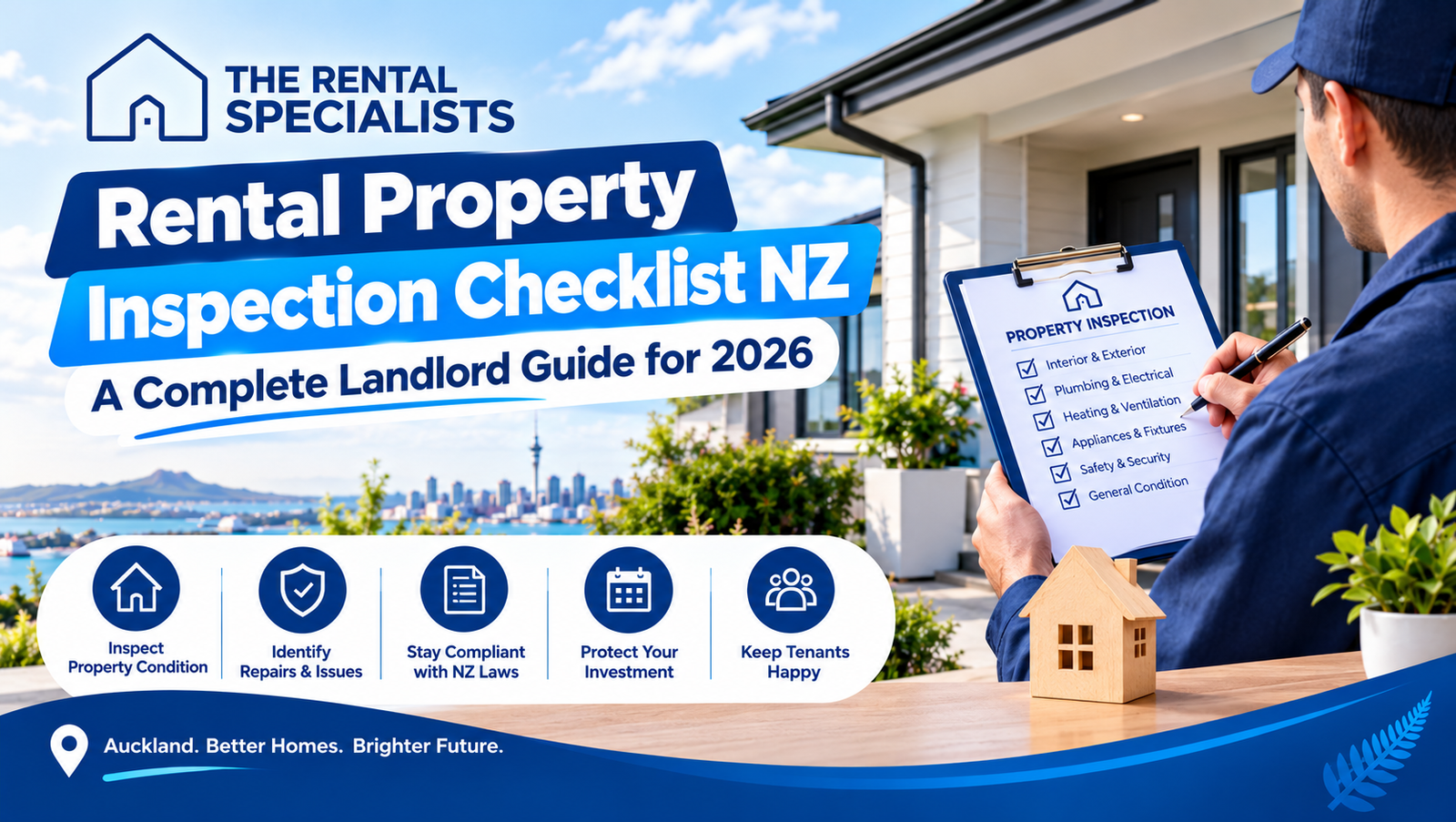
Regular rental property inspections help New Zealand landlords monitor their property’s condition, spot maintenance issues early and keep clear inspection records. A practical rental property inspection checklist NZ landlords can follow makes each visit more consistent, from the preparation beforehand to the property condition reports you keep afterwards.
This guide explains what to check, how to prepare, what to document and what to do once the inspection is finished. It also covers the notice, access and privacy rules that apply when you enter a tenanted home. If you manage a rental in Auckland, you will find the guide especially useful as a rental inspection checklist for Auckland properties, whether you manage them yourself or work with a property manager.
What Is a Rental Property Inspection in New Zealand?
A rental property inspection is a planned assessment in which a landlord or property manager checks the property’s general condition, maintenance concerns and any visible issues. It is not a search through your tenant’s belongings. It is a structured look at the home itself, carried out at an agreed time and with proper notice.
Why Are Routine Rental Inspections Important for Landlords?
Routine rental inspections help you to:
- Identify maintenance issues before they become expensive repairs
- Keep a written record of the property’s condition
- Arrange repairs in a timely way
- Talk through maintenance concerns with your tenant
Small problems, such as a slow leak under a sink or a damp patch on a ceiling, are far easier and cheaper to deal with when found early.
Rental Inspection vs Property Condition Report
These two terms are often used as if they mean the same thing, but they do different jobs. The inspection is the visit, where you assess the property’s current condition. The property condition report is the document that records your findings. In short, the inspection is the action and the report is the record. Having both gives you a clear picture of how the property changes over the course of a tenancy.
Rental Property Inspection Checklist NZ: What Landlords Should Check
This is the main part of your inspection. Work through the property room by room and note anything that needs attention. Record what you can see, rather than guessing at causes.
Check Walls, Ceilings, Floors and Interior Condition
- Visible damage or dampness on walls and ceilings
- The condition of flooring and any visible wear
- Doors, handles and locks working as they should
- Any areas that may need maintenance or repair
Inspect Windows, Doors, Locks and Ventilation
- The condition of windows and doors
- Whether locks and handles operate properly
- Ventilation, including any visible condensation
- Repairs or further assessment where something looks wrong
Check the Kitchen, Bathroom and Plumbing
- Leaks around taps, sinks and visible pipes
- The condition of toilets, showers and drainage
- Kitchen cabinets and fixed fixtures
- Visible mould, dampness and ventilation concerns
Inspect Smoke Alarms and Property Safety Features
- The visible condition of each smoke alarm, including its expiry date
- Safe access and any obvious hazards
- The condition of other relevant safety equipment
- Any maintenance or professional follow-up needed
A quick look at an alarm is not proof that it meets current requirements. Check the latest smoke alarm rules for rental properties on the Tenancy Services website and use your inspection to flag anything that needs attention.
Check Outdoor Areas, Gardens and Drainage
- Exterior walls and any visible building damage
- Gutters and apparent drainage concerns
- The condition of paths, fences and access areas
- Garden upkeep and overgrown vegetation
Look for Dampness, Mould and Maintenance Issues
- Visible mould and damp patches
- Possible signs of condensation
- Indicators of leaks or water damage
- Any concerns that need further investigation
Your role during an inspection is to record what you see. If you notice signs of a serious moisture or structural problem, note them clearly and arrange an assessment by a qualified professional rather than trying to diagnose the cause yourself.
New Zealand Rental Inspection Rules and Landlord Responsibilities
Understanding the rental property inspection requirements in NZ protects your tenant’s rights and keeps you on the right side of tenancy law. An inspection is not only about checking the property. It is also about respecting your tenant’s right to quiet enjoyment of their home. For a wider look at your obligations, read our guide to landlord responsibilities in NZ.
How Much Notice Is Required for a Rental Inspection in NZ?
For routine inspections, landlords must generally give written notice of at least 48 hours, and the inspection must take place within the timeframe set by the Residential Tenancies Act. Always confirm the current notice requirements on the Tenancy Services website before you schedule a visit, as rules can change.
How Often Can a Landlord Inspect a Rental Property?
Routine inspections can take place no more than once every 4 weeks, so you cannot simply visit whenever you like. Plan a reasonable inspection schedule that respects your tenant’s privacy, and check the current maximum frequency with Tenancy Services.
Tenant Privacy and Access During Property Inspections
- Give the required notice every time
- Keep to the agreed purpose and timing of the visit
- Respect your tenant’s personal belongings and privacy
- Record your findings appropriately and store them securely
How to Prepare for a Rental Property Inspection
Good preparation makes the inspection faster, fairer and more useful. Focus on your own process as the landlord or property manager, rather than placing extra cleaning demands on your tenant.
Create a Rental Property Inspection Checklist
A good checklist has separate fields for each room, fixtures, visible damage, maintenance concerns and follow-up actions. Whether you use a printed rental inspection checklist template or a digital form, keeping the layout the same each time makes it easy to compare reports from one inspection to the next.
Arrange Inspection Access and Necessary Documentation
Before the visit, confirm the date and time with your tenant and gather any paperwork you need, such as previous reports, reported repairs and relevant property information. Having everything to hand saves time on the day.
Record Property Condition With Notes and Photos
Clear notes and relevant photos make your findings easier to understand later. Respect your tenant’s privacy when taking photos, avoid capturing personal items and store all records securely.
What to Do After a Rental Property Inspection
Once the visit is over, review your findings, deal with urgent concerns first and create a plan for repairs or further assessment.
Prepare and Share the Inspection Report
A rental property inspection report in NZ should include the inspection date, relevant findings, visible damage and any agreed follow-up actions. When you share the findings with your tenant, use respectful, factual language. A clear report helps both sides understand what happens next and keeps useful tenancy records on file.
Prioritise Repairs and Maintenance Requests
Deal with urgent safety issues and active leaks first, then work through other maintenance items. If a repair needs a qualified tradesperson, arrange their assessment promptly and keep your tenant updated on the timing.
Schedule Follow-Up Inspections When Necessary
A follow-up is not automatically needed after every inspection. Whether you need one depends on the issues identified, the repairs involved and your circumstances. If a follow-up visit is required, remember that the usual notice and access rules still apply.
Common Rental Property Inspection Mistakes Landlords Should Avoid
Missing Required Notice or Access Requirements
Entering without proper notice, or outside the applicable rules, can breach your tenant’s rights and damage the relationship. Always check the requirements first.
Failing to Document Maintenance Issues
Without written notes, photos and recorded follow-up actions, issues are easy to forget and hard to prove later. Keep consistent records every time.
Ignoring Dampness, Leaks or Safety Concerns
Small signs of moisture or damage can grow into larger repairs. Document what you see and arrange timely repairs or professional assessment as needed.
Treating an Inspection as a Guarantee of Compliance
An inspection is a practical condition check. It cannot confirm every legal requirement, hidden defect or building issue, so it should not be treated as proof that your property meets all standards, including the Healthy Homes Standards.
Should You Hire a Property Manager for Rental Inspections in Auckland?
A professional property manager can organise inspections, document findings, coordinate maintenance follow-up and keep landlords updated on the property. The exact services depend on your management agreement, so confirm what is included. If you are still deciding between managing your rentals yourself and getting help, our guide to self-managing vs a property manager in Auckland compares both options.
Benefits of Professional Rental Inspection Management
- Support with inspection scheduling and record-keeping
- Clear communication of maintenance concerns
- Coordination of repairs and follow-up actions
- A lighter routine administrative workload for the landlord
If you are looking for rental inspection services in Auckland, The Rental Specialists can explain what is available as part of our property management support.
When Should Auckland Landlords Consider Professional Help?
Professional help is worth considering if you manage multiple rentals, live away from your property or prefer to hand inspections and maintenance coordination to someone else. Your landlord guide to the wider process is also available on our landlord guide page.
Frequently Asked Questions About Rental Property Inspections in NZ
Q1: How Often Should Rental Properties Be Inspected in New Zealand?
Landlords can carry out routine inspections no more than once every 4 weeks, and they must give the tenant at least 48 hours’ written notice each time. This is a maximum, not a requirement, so many landlords and property managers choose a less frequent schedule. Check the current rules on the Tenancy Services website before booking an inspection.
Q2. How Often Can a Landlord Inspect a Rental Property?
Under New Zealand tenancy law, routine inspections can take place no more than once every 4 weeks. This limit exists to protect your tenant’s right to quiet enjoyment of their home. You are not required to inspect this often, so plan a reasonable schedule that suits your property and respects your tenant’s privacy. Always confirm the current rule with Tenancy Services.
Q3. How Much Notice Is Required for a Rental Inspection in NZ?
For routine inspections, landlords must give the tenant at least 48 hours’ written notice. Always confirm the current notice requirements on the Tenancy Services website before you schedule a visit, as rules can change.
Q4. Do Landlords Need to Provide Notice Before a Rental Inspection in NZ?
Yes. Landlords must give at least 48 hours’ written notice before a routine inspection, and routine inspections can take place no more than once every 4 weeks. Confirm the details and any exceptions with Tenancy Services.
Q5. What Happens If an Inspection Reveals Property Damage?
Document the damage with notes and photos, assess the repairs needed and talk with your tenant about the findings. Then arrange the appropriate repairs and follow-up.
Conclusion: Use the Right Rental Property Inspection Checklist in NZ
Managing rental inspections can take time, especially when you have multiple properties or a busy schedule. The right rental property inspection checklist NZ helps you organise property checks, document maintenance concerns and plan appropriate follow-up actions. Regular inspections, accurate documentation and timely maintenance help you monitor your rental’s condition, and following New Zealand’s tenancy requirements keeps the process fair for you and your tenant.
If you own a rental property in Auckland and need support with inspections, tenant communication or ongoing property management, The Rental Specialists can help you explore the right solution for your needs.
Contact The Rental Specialists today to discuss your rental property management needs. Request a rental appraisal, contact our team or message us on WhatsApp.